




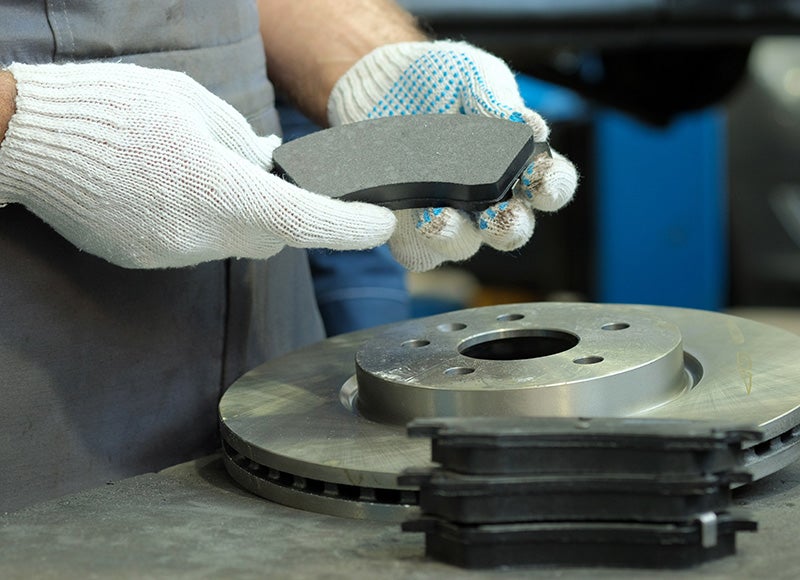
If you've ever wondered what's actually happening when you press the brake pedal, you're not alone. Understanding your brakes - and recognizing when something isn't right - can help you stay safe and avoid costly repairs down the road. This FAQ for drivers in West Frankfort, Illinois breaks down the key components that make up your brake system, and the warning signs that it may be time for service. What Are Brake Pads? Brake pads are flat pieces of friction material that press against the rotor to slow your vehicle. They're designed to wear down gradually over time, which is why they need periodic replacement. Most pads include a small metal wear indicator that produces a high-pitched squeal when the material gets too thin - that's your signal to have them inspected. What Are Brake Rotors? Rotors are the large metal discs that the brake pads clamp against. When you apply the brakes, friction between the pads and rotors converts your vehicle's kinetic energy into heat, which slows the wheels. Rotors can warp or develop uneven wear over time, which can cause vibration or pulsing when you brake. What Is Are Brake Calipers? The caliper is the component that houses the brake pads and squeezes them against the rotor when you press the pedal. Think of it like a clamp. Calipers can stick or seize over time, which causes uneven braking or premature pad wear on one side. What Is the Master Cylinder? The master cylinder converts the force from your foot on the brake pedal into hydraulic pressure. That pressure travels through the brake lines to activate the calipers at each wheel. If the master cylinder fails or develops a leak, your pedal may feel soft or sink toward the floor. What Are Brake Lines and Brake Fluid? Brake lines carry hydraulic fluid from the master cylinder to the calipers. Brake fluid is what transmits that pressure through the system. Over time, brake fluid absorbs moisture, which can lower its boiling point and reduce braking performance. Many manufacturers recommend flushing the fluid every two years or so. What Is an ABS Module? The anti-lock braking system, or ABS, prevents the wheels from locking up during hard braking so you can maintain steering control. The ABS module monitors wheel speed sensors and adjusts braking pressure automatically. If the ABS warning light comes on,you need to have the system checked soon. What Are the Signs of Failing Brakes? This FAQ wouldn't be complete without covering the warning signs you should never ignore. Squealing or Grinding Noises A high-pitched squeal usually means your brake pads are worn thin. If you hear grinding, metal-on-metal contact may already be occurring, which can damage your rotors and increase repair costs significantly. Vibration When Braking If your steering wheel or brake pedal shakes when you slow down, warped rotors are often the cause. This is worth addressing promptly, as it can reduce braking effectiveness. Pulling to One Side If your vehicle drifts to the left or right during braking, a stuck caliper or uneven pad wear may be to blame. This affects your ability to brake in a straight line and should be inspected right away. A Soft or Spongy Pedal A brake pedal that feels unusually soft or travels further than normal before engaging could signal air in the brake lines or a problem with the master cylinder. Either way, don't delay getting it checked. Visit Weeks Chevrolet GMC to Service Your Brakes So, if you're noticing one of these warning signs or just want peace of mind, the certified service team at Weeks Chevrolet GMC serving West Frankfort, Illinois is ready to help. Understanding your brakes is the first step - having them properly inspected is the next. Stop by or schedule an appointment to keep your vehicle stopping safely.
Car Battery: What It Is and How It Works
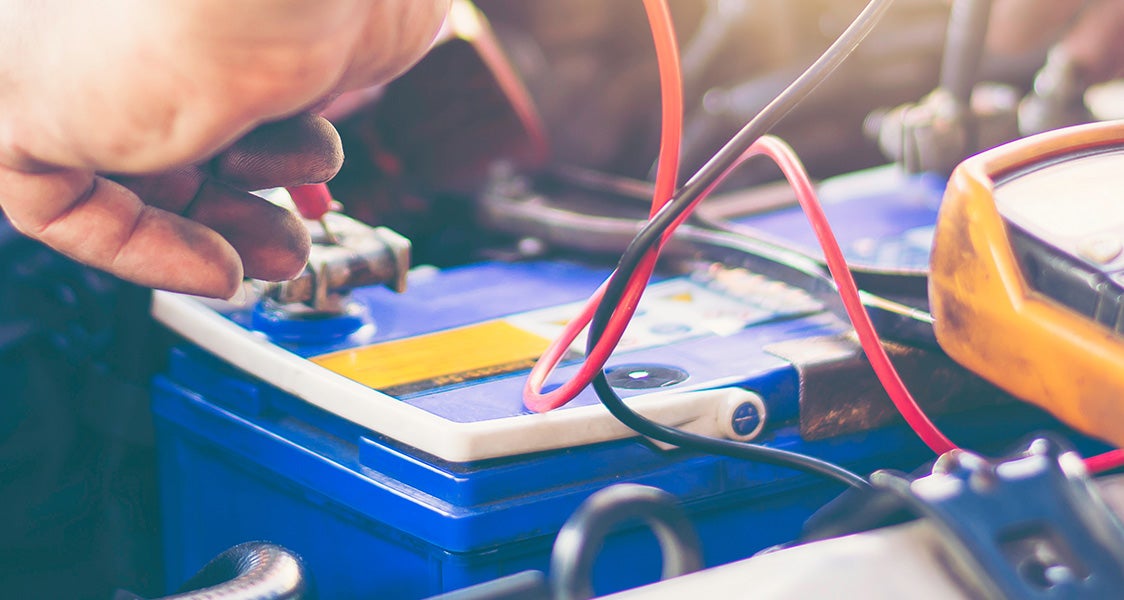
Car Battery Basics: A Small Component with a Very Important Job The battery is easy to overlook because, when it's healthy, there isn't much reason to think about it. You start the vehicle and get on with your day. When the battery begins to fail, that changes rather quickly. Understanding how a car battery works and recognizing the early signs of trouble can help West Frankfort, IL, drivers arrange battery testing or replacement before the vehicle decides the timing for them. The Battery Stores the Power Your Vehicle Needs to Start Most conventional vehicles use a rechargeable 12-volt lead-acid battery. Inside the casing, cells use a chemical reaction to convert stored chemical energy into electrical energy. The battery's most demanding job comes when you start the engine, but its role extends beyond those first few seconds. Because different vehicles have different electrical requirements, choosing a replacement battery isn't simply about finding one that physically fits. A service department or parts department can help identify the correct battery for your Chevrolet or GMC when replacement becomes necessary. Starting Is the Big Job, but Not the Only One Turn the key or press the start button and the battery supplies electrical current to the starter motor, allowing it to crank the engine. When the engine isn't running, the battery can also provide electricity for lighting, infotainment equipment, climate controls, and other electronics. Once the engine is operating, the alternator generates electricity and replenishes the battery's charge. Battery and charging-system performance are closely connected, which is why electrical-system diagnosis can be useful when a vehicle develops recurring starting or charging problems. Replacing the battery without identifying the source of the problem isn't much help if something else is responsible. Every Start Takes Energy, and the Alternator Returns It Inside a conventional lead-acid battery, lead plates and an electrolyte solution create the chemical reaction necessary to generate electrical current. Starting the engine draws from that stored energy. Once you're driving, the alternator helps recharge the battery so it's prepared for the next start. This happens thousands of times during the battery's life, and eventually its ability to hold and deliver a charge declines. Routine maintenance provides a convenient opportunity to check its condition. Battery testing can easily accompany an oil change, tire rotation, Multi-Point Vehicle Inspection, or another scheduled service visit. A Weak Battery Doesn't Always Fail Without Warning Slow engine cranking is one of the more recognizable signs of declining battery performance. Dim lights, unusual electrical behavior, repeated starting trouble, or a battery warning indicator can also mean the battery or charging system needs attention. Corrosion around the terminals may interfere with the electrical connection and should be inspected. Battery age is useful context as well. If yours has been installed for several years, testing can provide more useful information than simply waiting to see how long it survives. A Certified Service technician can evaluate battery condition and determine if charging, service, replacement, or further electrical diagnosis is appropriate. Testing Is Better Than Guessing A vehicle that needs repeated jump-starts is telling you something, but it isn't necessarily telling you exactly what has failed. Professional battery service can include inspecting the battery and connections and evaluating the starting and charging system. If the battery itself has reached the end of its useful life, the parts department can help identify the proper replacement for your vehicle. West Frankfort drivers planning maintenance can also review current service specials before arranging battery replacement or other service. The point is to diagnose the problem first, then replace what needs replacing. Take Care of the Battery Before It Stops Taking Care of You Weeks Chevrolet GMC serves West Frankfort, IL, drivers with battery inspections, battery testing, battery replacement, electrical-system diagnosis, and other routine maintenance services. If you're already planning an oil change, tire service, Multi-Point Vehicle Inspection, or another maintenance visit, it's an easy opportunity to have an aging battery checked as well. If your vehicle is starting slowly, experiencing electrical problems, or has a battery you'd rather test than gamble on, schedule a service appointment online.