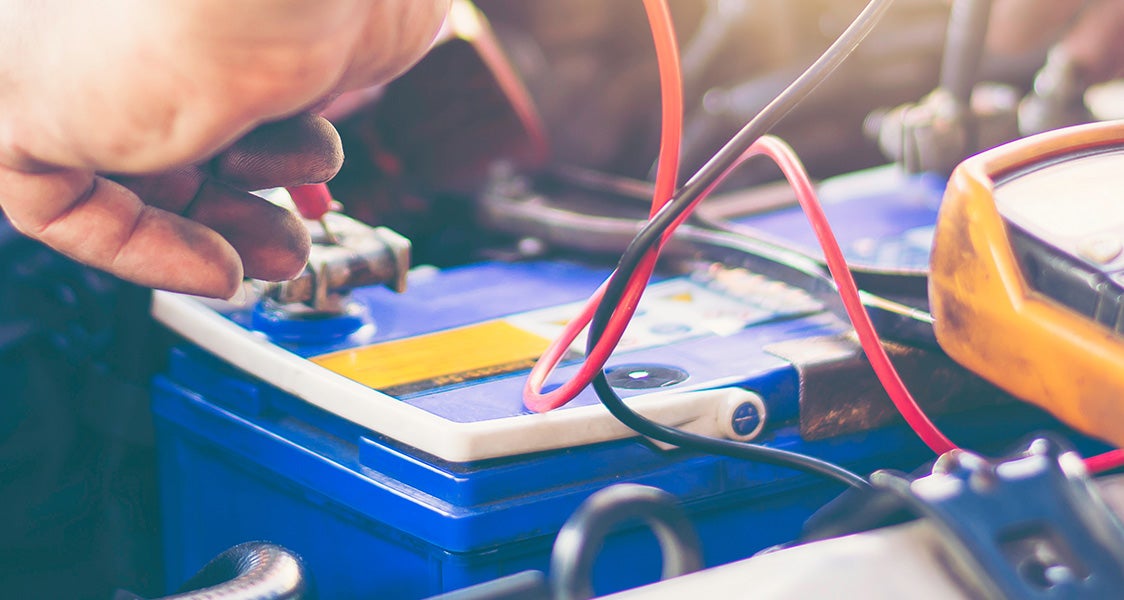





Car Battery Basics: A Small Component with a Very Important Job The battery is easy to overlook because, when it's healthy, there isn't much reason to think about it. You start the vehicle and get on with your day. When the battery begins to fail, that changes rather quickly. Understanding how a car battery works and recognizing the early signs of trouble can help West Frankfort, IL, drivers arrange battery testing or replacement before the vehicle decides the timing for them. The Battery Stores the Power Your Vehicle Needs to Start Most conventional vehicles use a rechargeable 12-volt lead-acid battery. Inside the casing, cells use a chemical reaction to convert stored chemical energy into electrical energy. The battery's most demanding job comes when you start the engine, but its role extends beyond those first few seconds. Because different vehicles have different electrical requirements, choosing a replacement battery isn't simply about finding one that physically fits. A service department or parts department can help identify the correct battery for your Chevrolet or GMC when replacement becomes necessary. Starting Is the Big Job, but Not the Only One Turn the key or press the start button and the battery supplies electrical current to the starter motor, allowing it to crank the engine. When the engine isn't running, the battery can also provide electricity for lighting, infotainment equipment, climate controls, and other electronics. Once the engine is operating, the alternator generates electricity and replenishes the battery's charge. Battery and charging-system performance are closely connected, which is why electrical-system diagnosis can be useful when a vehicle develops recurring starting or charging problems. Replacing the battery without identifying the source of the problem isn't much help if something else is responsible. Every Start Takes Energy, and the Alternator Returns It Inside a conventional lead-acid battery, lead plates and an electrolyte solution create the chemical reaction necessary to generate electrical current. Starting the engine draws from that stored energy. Once you're driving, the alternator helps recharge the battery so it's prepared for the next start. This happens thousands of times during the battery's life, and eventually its ability to hold and deliver a charge declines. Routine maintenance provides a convenient opportunity to check its condition. Battery testing can easily accompany an oil change, tire rotation, Multi-Point Vehicle Inspection, or another scheduled service visit. A Weak Battery Doesn't Always Fail Without Warning Slow engine cranking is one of the more recognizable signs of declining battery performance. Dim lights, unusual electrical behavior, repeated starting trouble, or a battery warning indicator can also mean the battery or charging system needs attention. Corrosion around the terminals may interfere with the electrical connection and should be inspected. Battery age is useful context as well. If yours has been installed for several years, testing can provide more useful information than simply waiting to see how long it survives. A Certified Service technician can evaluate battery condition and determine if charging, service, replacement, or further electrical diagnosis is appropriate. Testing Is Better Than Guessing A vehicle that needs repeated jump-starts is telling you something, but it isn't necessarily telling you exactly what has failed. Professional battery service can include inspecting the battery and connections and evaluating the starting and charging system. If the battery itself has reached the end of its useful life, the parts department can help identify the proper replacement for your vehicle. West Frankfort drivers planning maintenance can also review current service specials before arranging battery replacement or other service. The point is to diagnose the problem first, then replace what needs replacing. Take Care of the Battery Before It Stops Taking Care of You Weeks Chevrolet GMC serves West Frankfort, IL, drivers with battery inspections, battery testing, battery replacement, electrical-system diagnosis, and other routine maintenance services. If you're already planning an oil change, tire service, Multi-Point Vehicle Inspection, or another maintenance visit, it's an easy opportunity to have an aging battery checked as well. If your vehicle is starting slowly, experiencing electrical problems, or has a battery you'd rather test than gamble on, schedule a service appointment online.