





If you’ve ever wondered what’s actually happening when you press the brake pedal, you’re not alone. Understanding your brakes – and recognizing when something isn’t right – can help you stay safe and avoid costly repairs down the road. This FAQ for drivers in West Frankfort, Illinois breaks down the key components that make up your brake system, and the warning signs that it may be time for service.
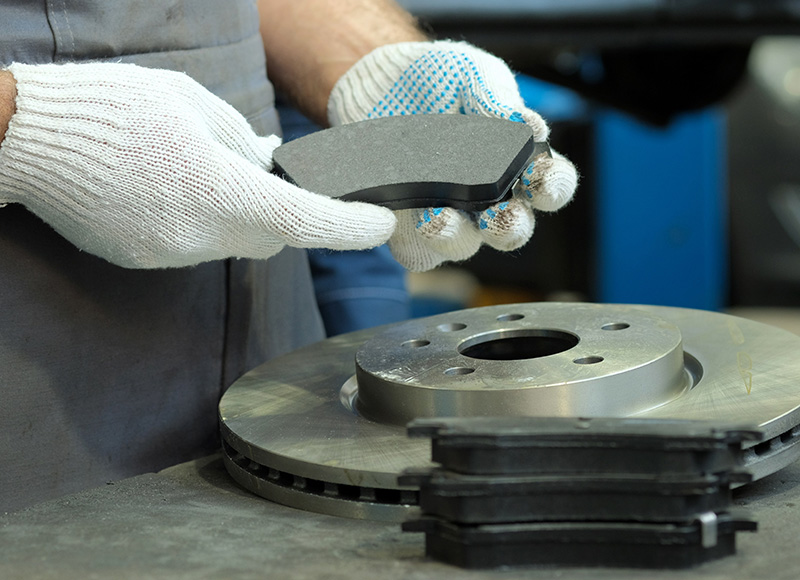
What Are Brake Pads?
Brake pads are flat pieces of friction material that press against the rotor to slow your vehicle. They’re designed to wear down gradually over time, which is why they need periodic replacement. Most pads include a small metal wear indicator that produces a high-pitched squeal when the material gets too thin – that’s your signal to have them inspected.
What Are Brake Rotors?
Rotors are the large metal discs that the brake pads clamp against. When you apply the brakes, friction between the pads and rotors converts your vehicle’s kinetic energy into heat, which slows the wheels. Rotors can warp or develop uneven wear over time, which can cause vibration or pulsing when you brake.
What Is Are Brake Calipers?
The caliper is the component that houses the brake pads and squeezes them against the rotor when you press the pedal. Think of it like a clamp. Calipers can stick or seize over time, which causes uneven braking or premature pad wear on one side.
What Is the Master Cylinder?
The master cylinder converts the force from your foot on the brake pedal into hydraulic pressure. That pressure travels through the brake lines to activate the calipers at each wheel. If the master cylinder fails or develops a leak, your pedal may feel soft or sink toward the floor.
What Are Brake Lines and Brake Fluid?
Brake lines carry hydraulic fluid from the master cylinder to the calipers. Brake fluid is what transmits that pressure through the system. Over time, brake fluid absorbs moisture, which can lower its boiling point and reduce braking performance. Many manufacturers recommend flushing the fluid every two years or so.
What Is an ABS Module?
The anti-lock braking system, or ABS, prevents the wheels from locking up during hard braking so you can maintain steering control. The ABS module monitors wheel speed sensors and adjusts braking pressure automatically. If the ABS warning light comes on,you need to have the system checked soon.
What Are the Signs of Failing Brakes?
This FAQ wouldn’t be complete without covering the warning signs you should never ignore.
Squealing or Grinding Noises
A high-pitched squeal usually means your brake pads are worn thin. If you hear grinding, metal-on-metal contact may already be occurring, which can damage your rotors and increase repair costs significantly.
Vibration When Braking
If your steering wheel or brake pedal shakes when you slow down, warped rotors are often the cause. This is worth addressing promptly, as it can reduce braking effectiveness.
Pulling to One Side
If your vehicle drifts to the left or right during braking, a stuck caliper or uneven pad wear may be to blame. This affects your ability to brake in a straight line and should be inspected right away.
A Soft or Spongy Pedal
A brake pedal that feels unusually soft or travels further than normal before engaging could signal air in the brake lines or a problem with the master cylinder. Either way, don’t delay getting it checked.
Visit Weeks Chevrolet GMC to Service Your Brakes
So, if you’re noticing one of these warning signs or just want peace of mind, the certified service team at Weeks Chevrolet GMC serving West Frankfort, Illinois is ready to help. Understanding your brakes is the first step – having them properly inspected is the next. Stop by or schedule an appointment to keep your vehicle stopping safely.

